- 전화번호
- +82-63-281-8661
- 홈페이지
- 기본주소
- 390-1 Gwonsamdeuk-ro, Deokjin-gu, Jeonju-si
Deokjin Park, an Urban Park Where Memories Across Generations Coexist
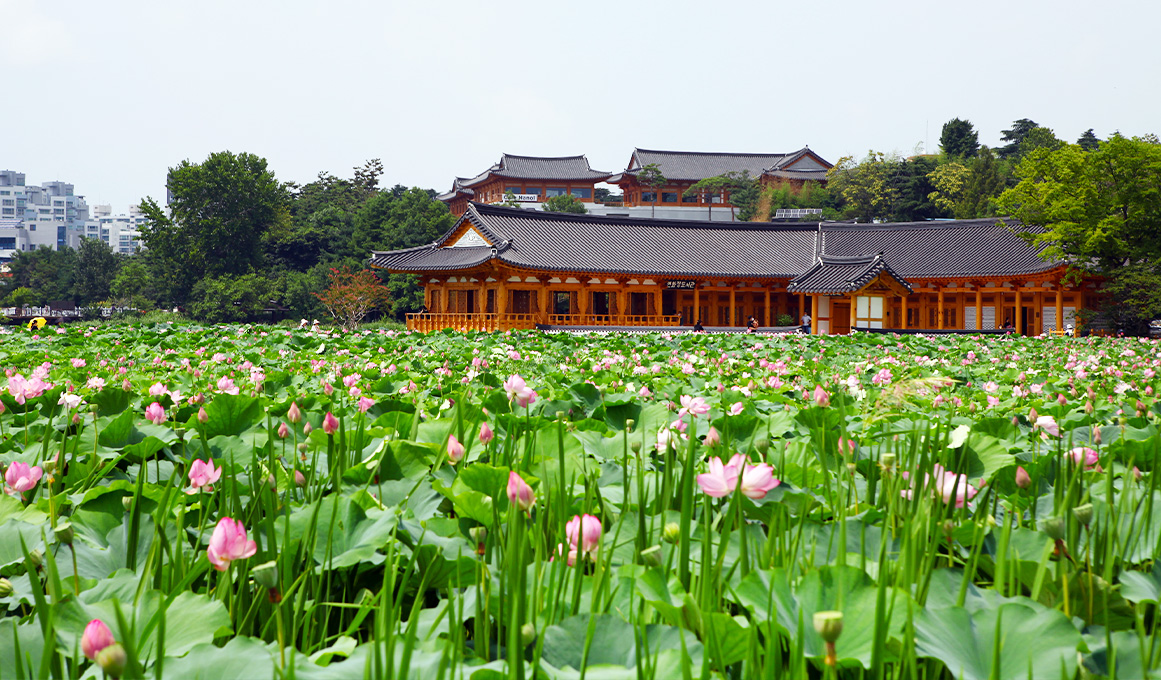
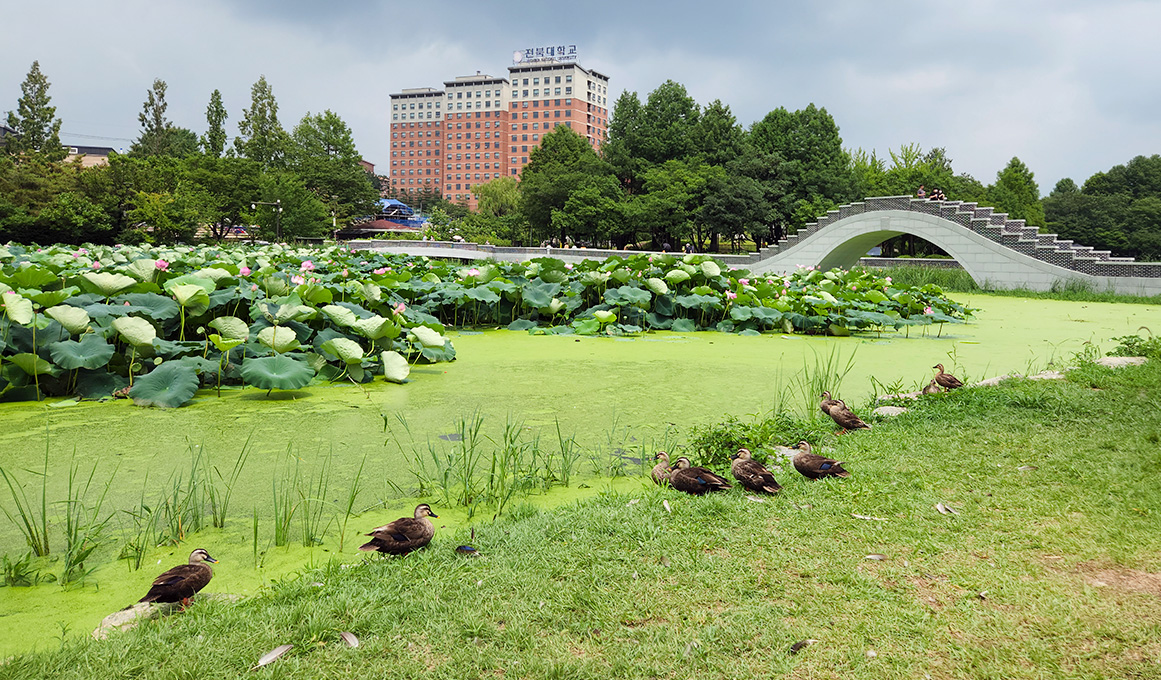
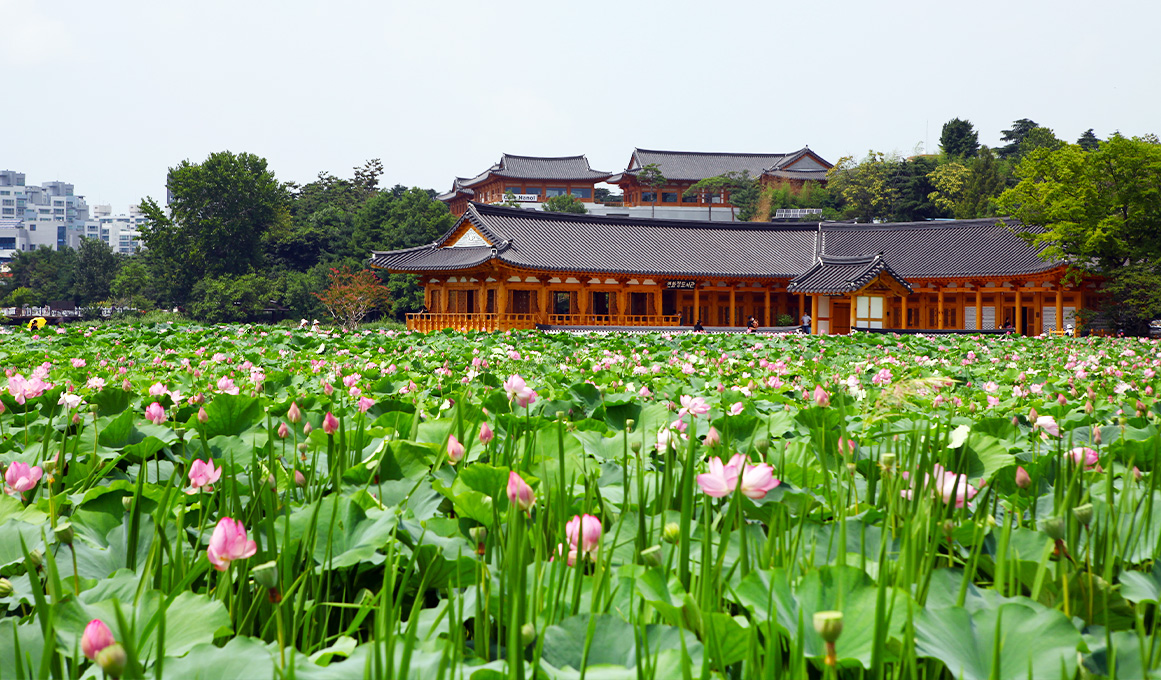
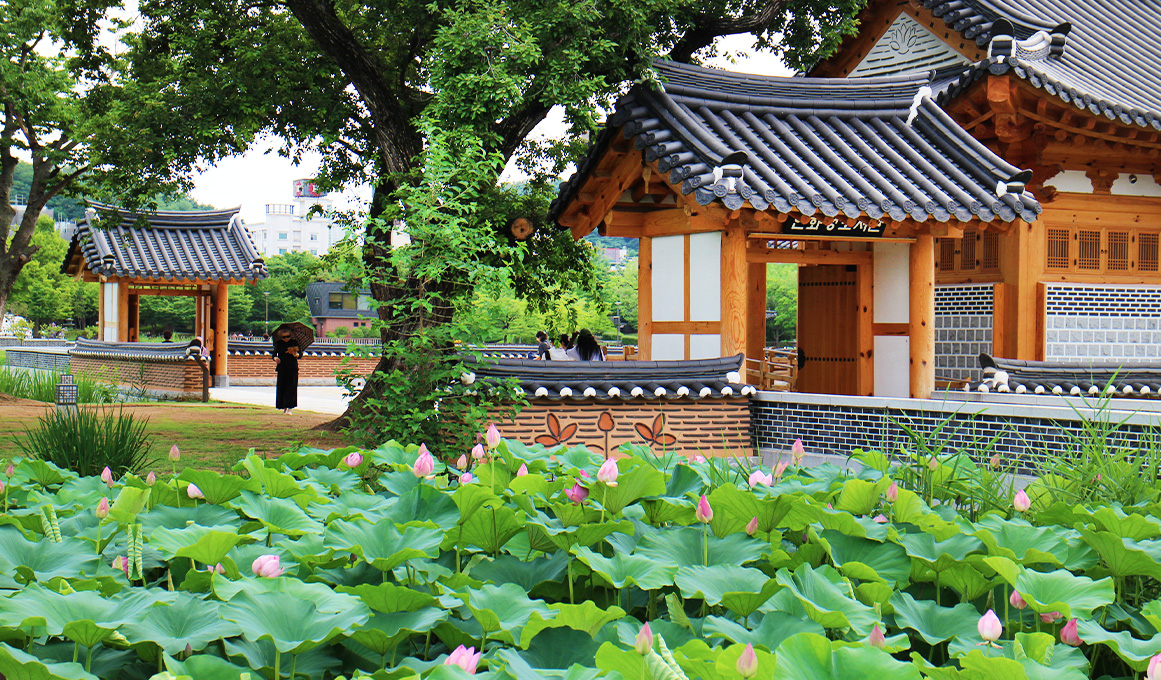
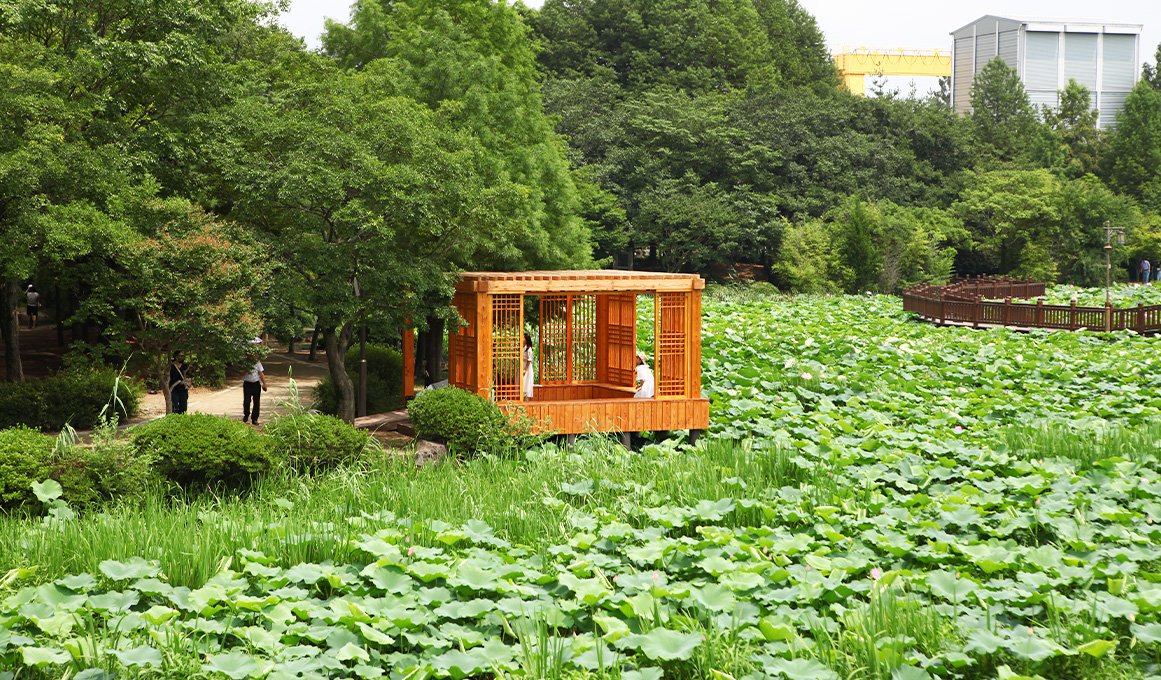
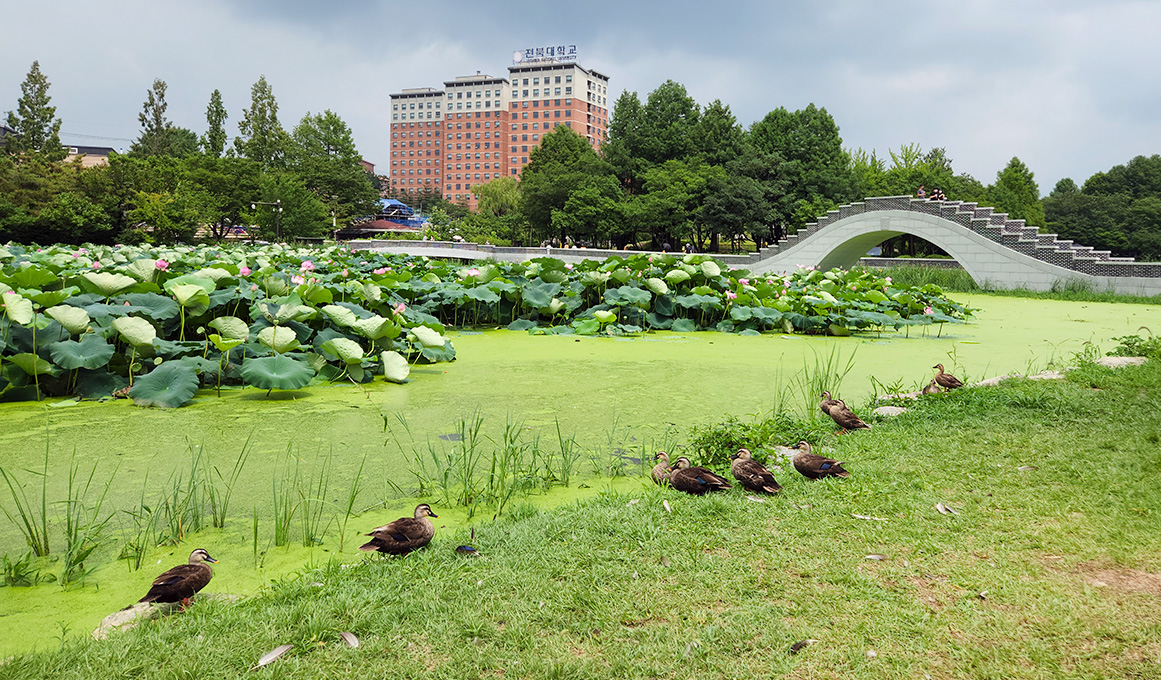
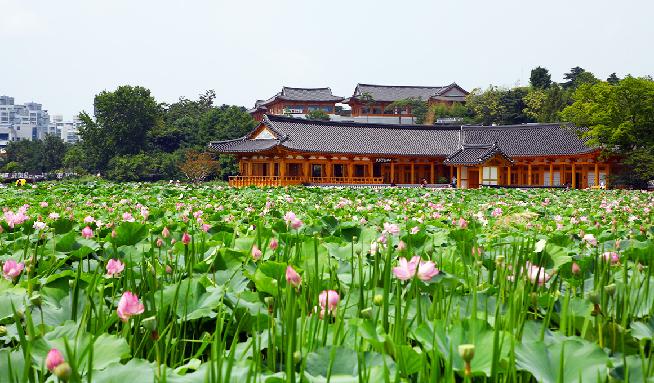
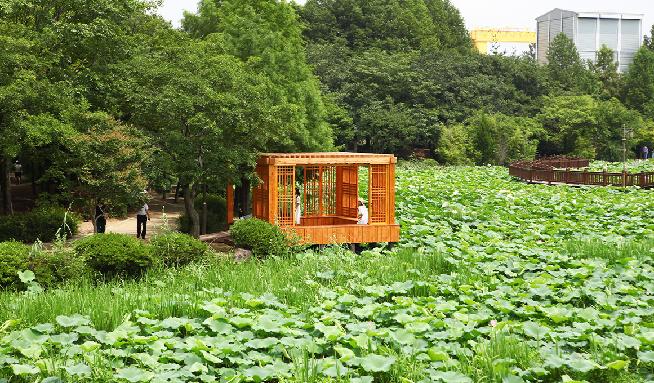
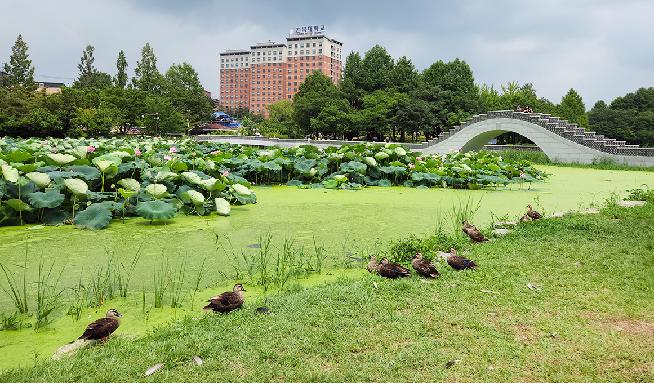
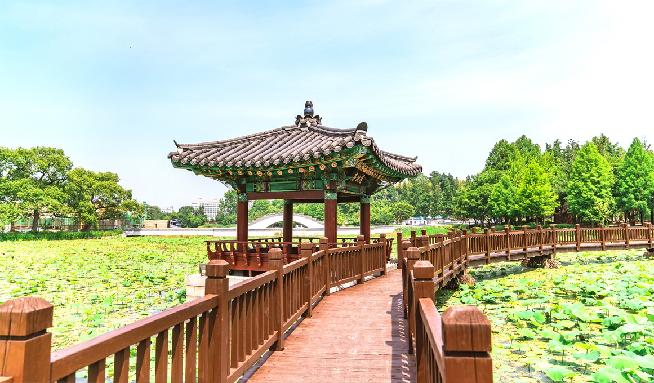
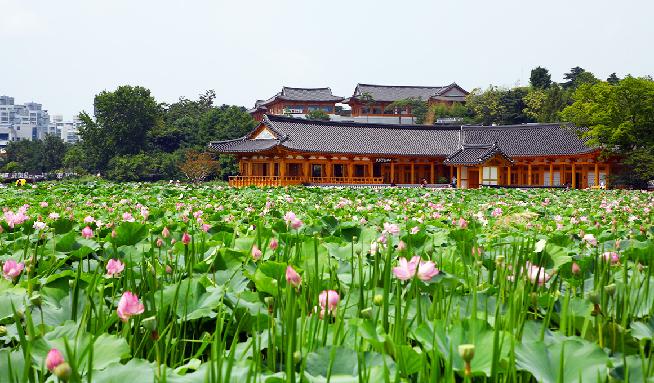
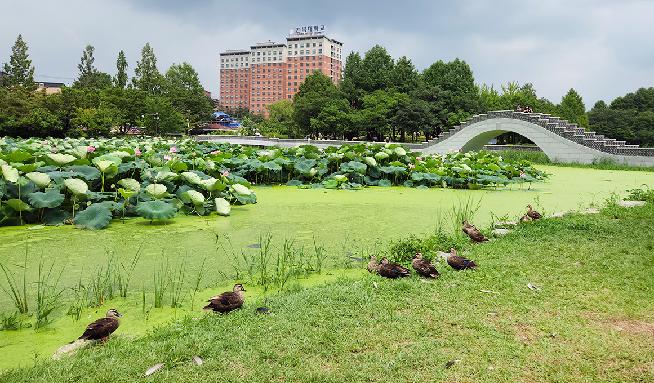
Located in the heart of Jeonju, Deokjin Park is a place filled with personal memories for many residents. At its center lies Deokjinho Lake, a vast body of water that blooms with lotus flowers every early July, attracting visitors and photographers from across the country. Deokjin Park is also known for Deokjin Chaeryeon (Lotus Harvest at Deokjin), one of the Eight Scenic Views of Jeonju. The musical fountain show held on Deokjinho Lake—which occupies two-thirds of the park—is another highlight not to be missed. With its diverse attractions and long-standing memories, Deokjin Park is truly a place where the romance of Jeonju lives on. Surrounded by the fragrance of lotus flowers, the park is home to memorial stones honoring poets such as Shin Seok-jeong, Kim Hae-gang, Lee Cheol-gyun, and Baek Yang-chon. It also serves as a “sanctuary of Jeonju literature,” commemorating writers who contributed to modern Korean literature.
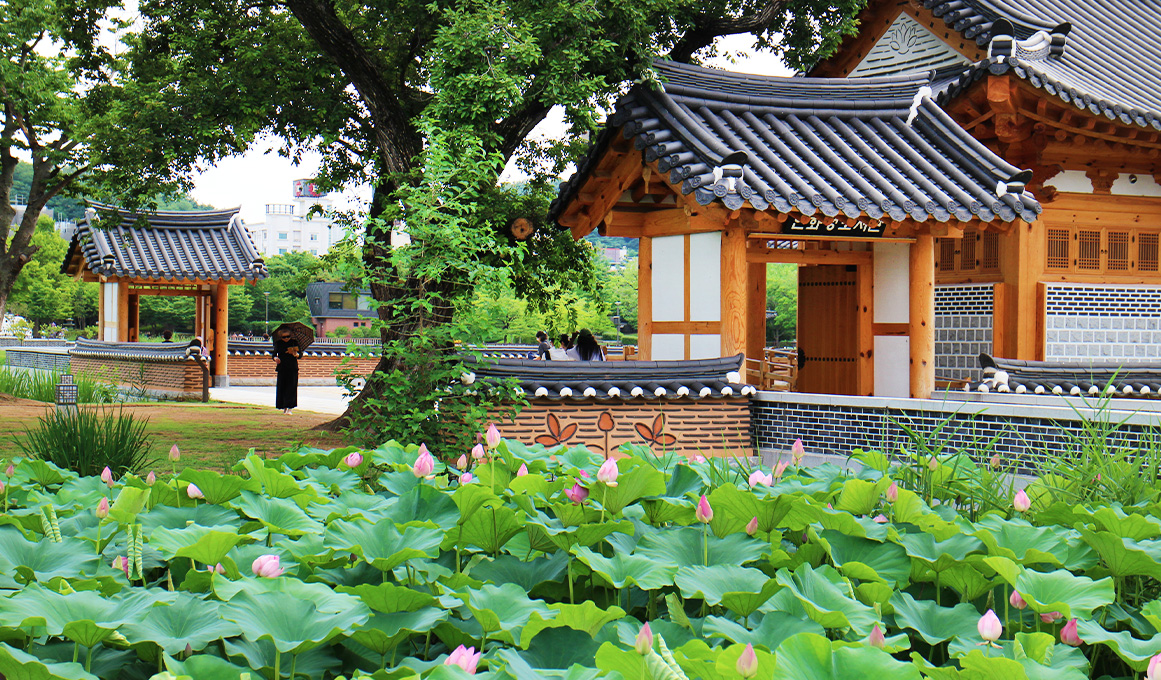
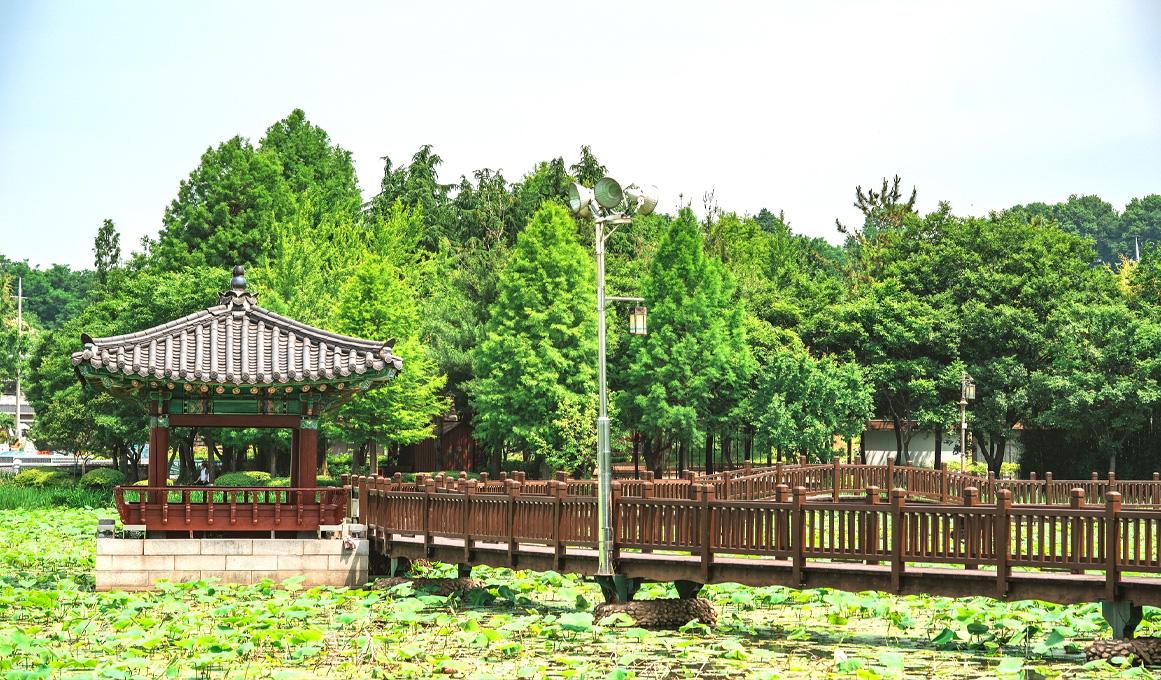
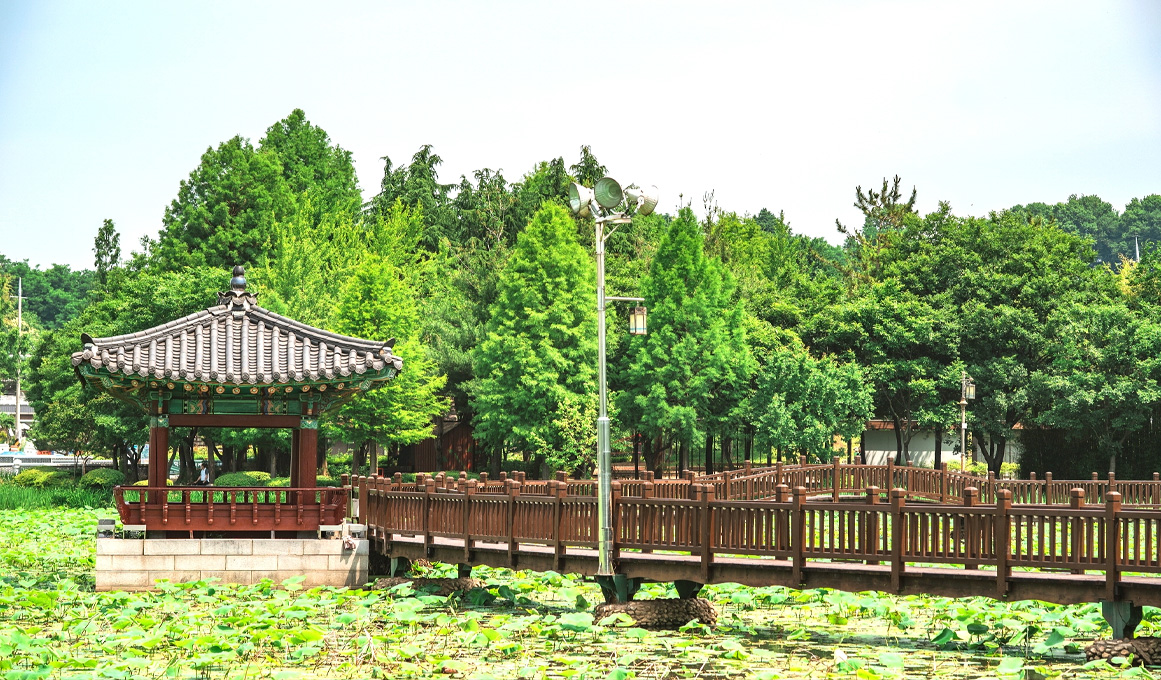
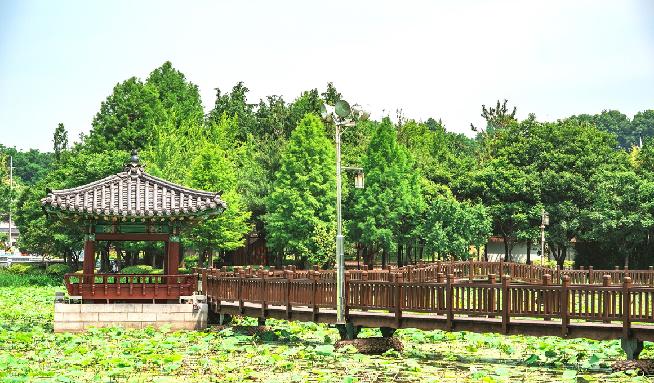
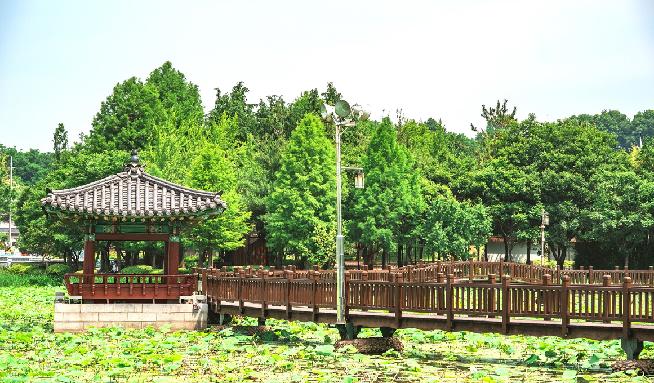
Following large-scale renovations, the park reopened in 1998 with a layout reminiscent of a traditional village landscape. Traditional pavilions and iris wetlands were created to enhance its historical character, while artificial waterfalls and wooden bridges were added to harmonize with nature. During Dano Festival, it is also known for the custom where women wash their hair with iris-infused water from the pond in the early morning, wishing for good health throughout the year. Within the park, cultural elements such as poetry monuments, the Children’s Charter monument, the statue of General Jeon Bong-jun, and the Jeonju Citizens’ Gallery enrich the experience and convey the unique charm of Jeonju.
A Cultural and Resting Space Reflecting the Beauty of Korean Tradition
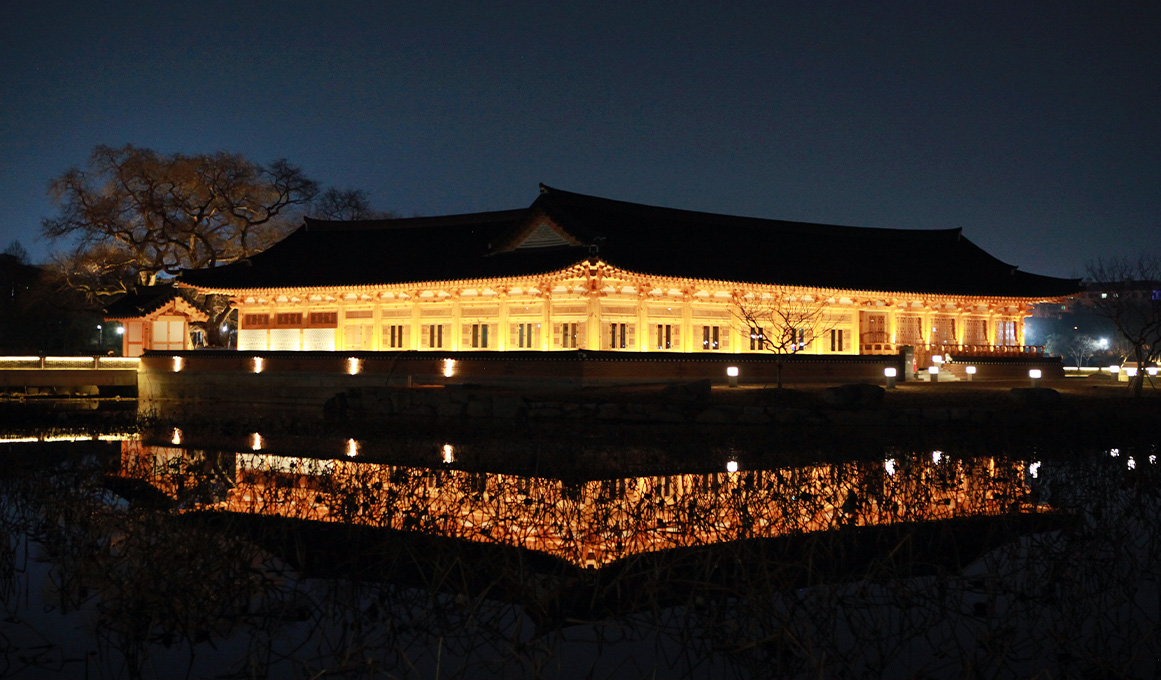
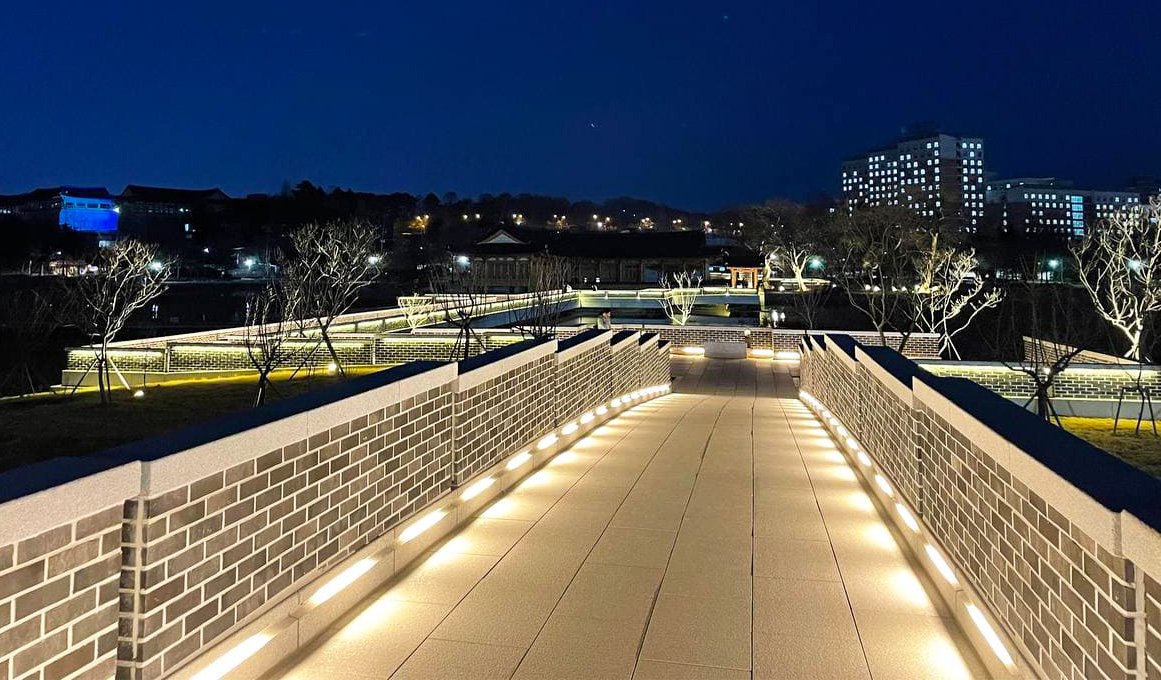
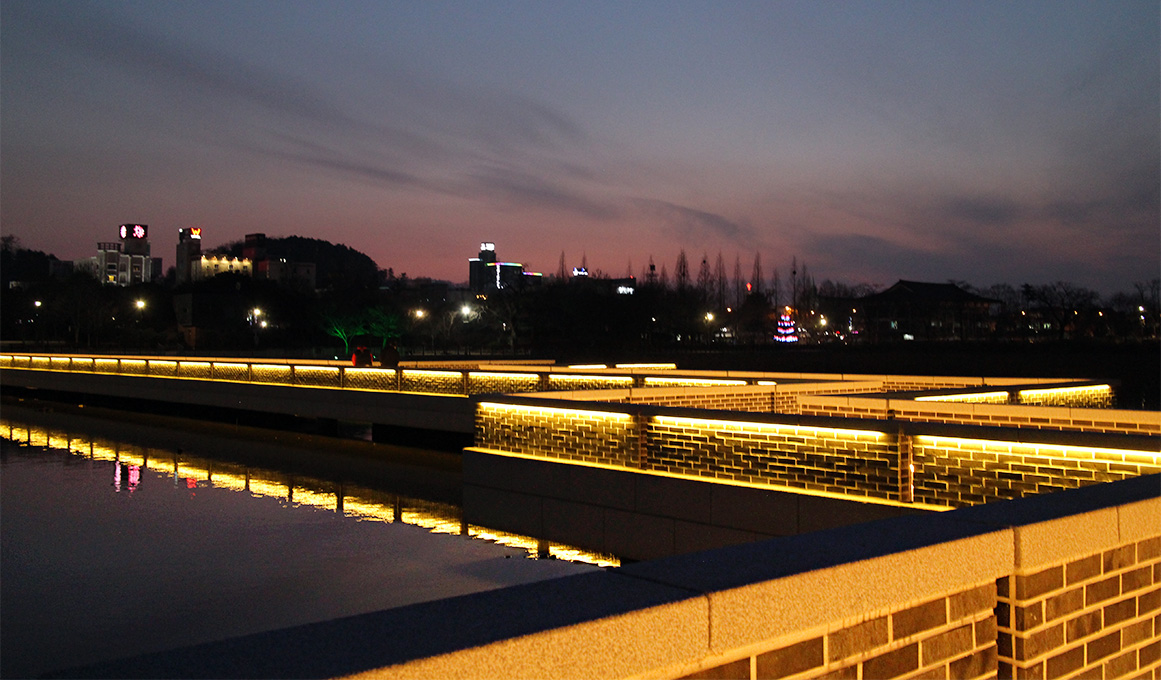
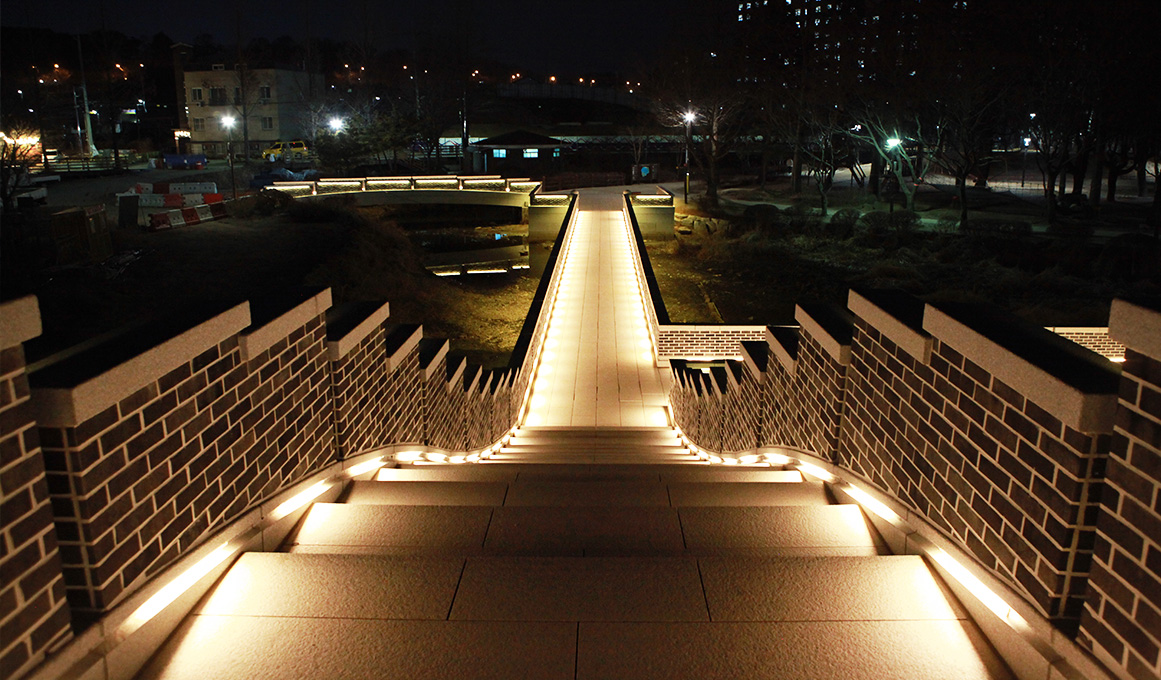
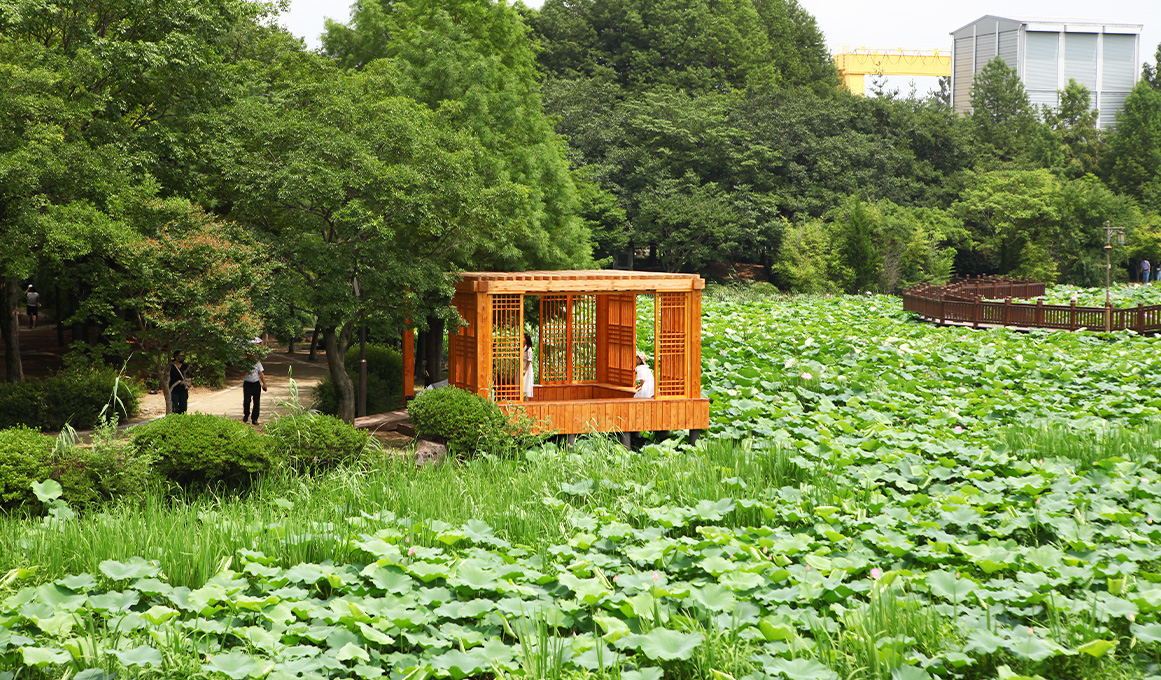
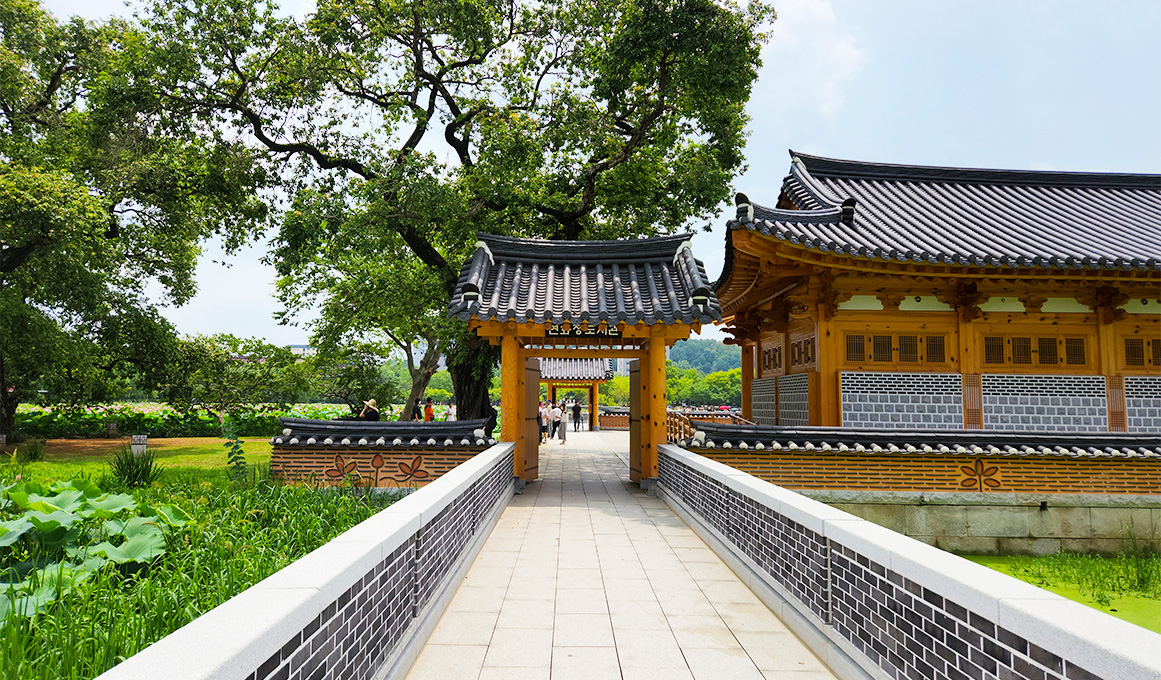
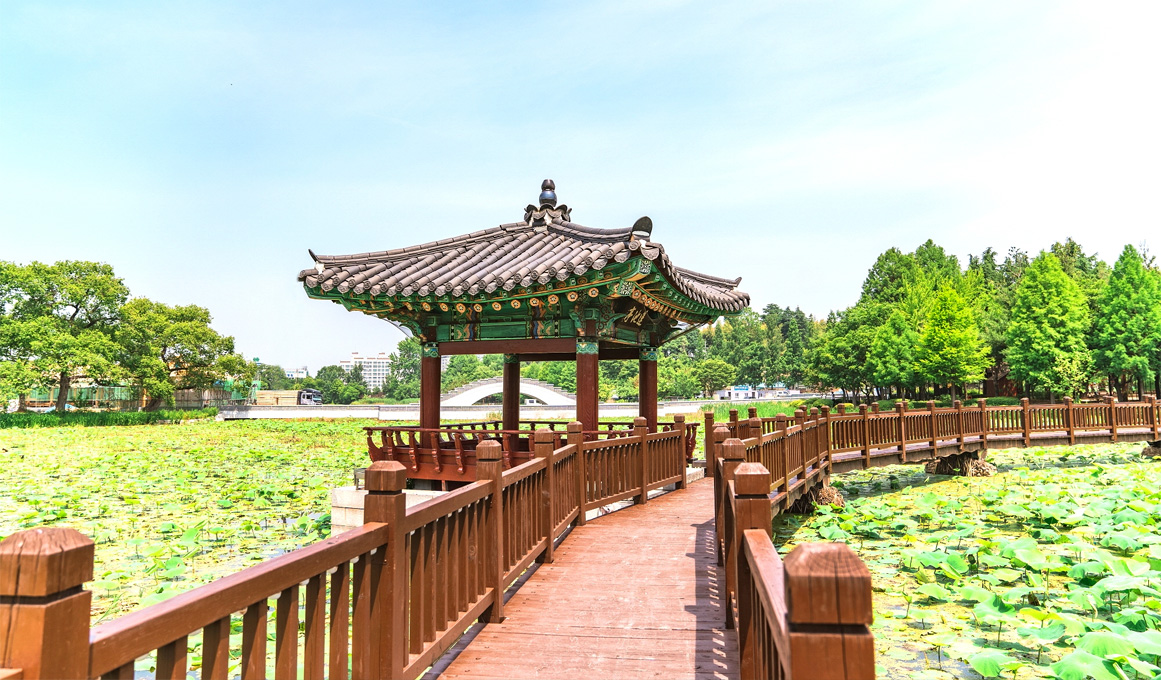
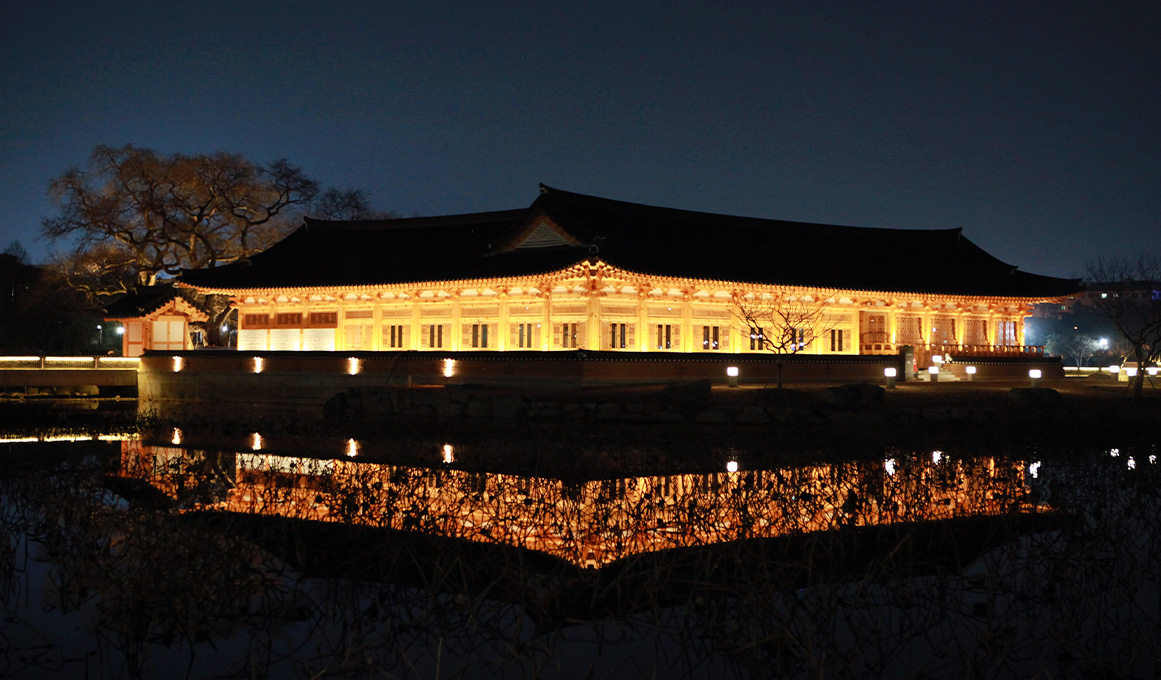
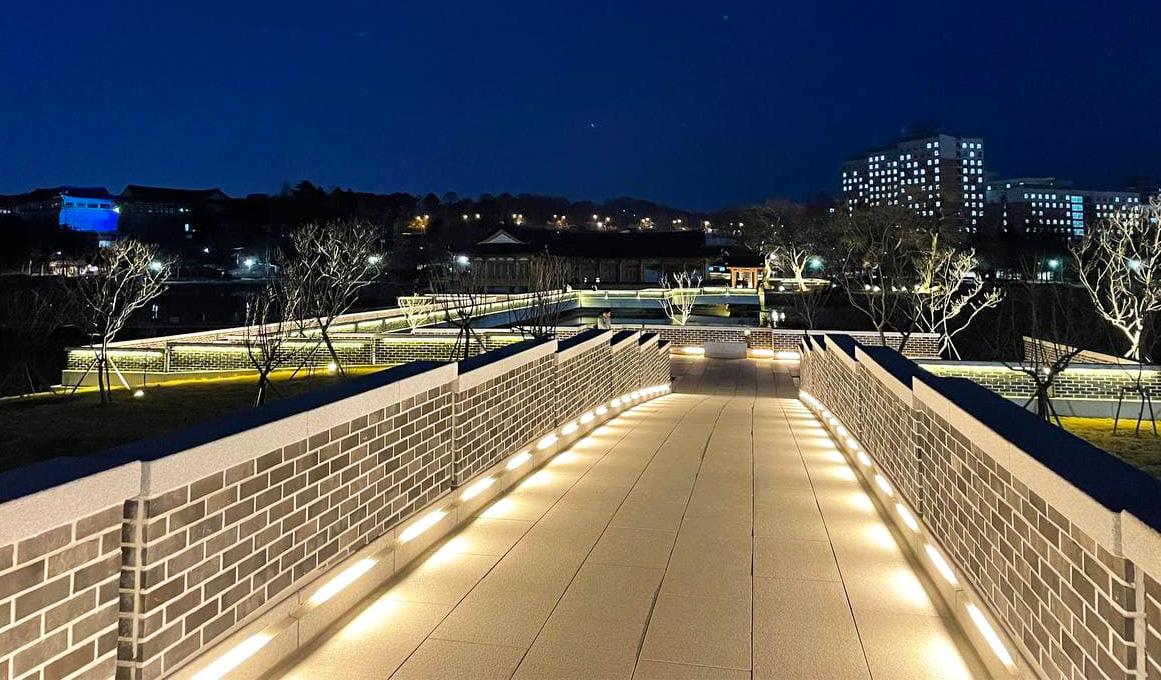
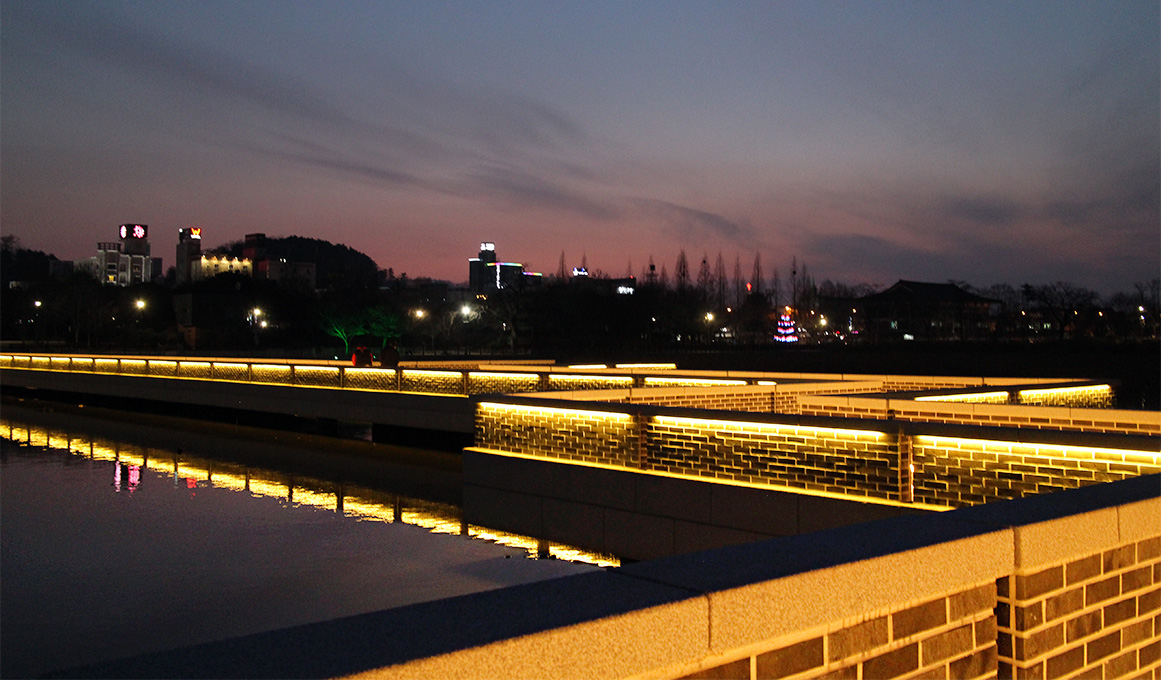
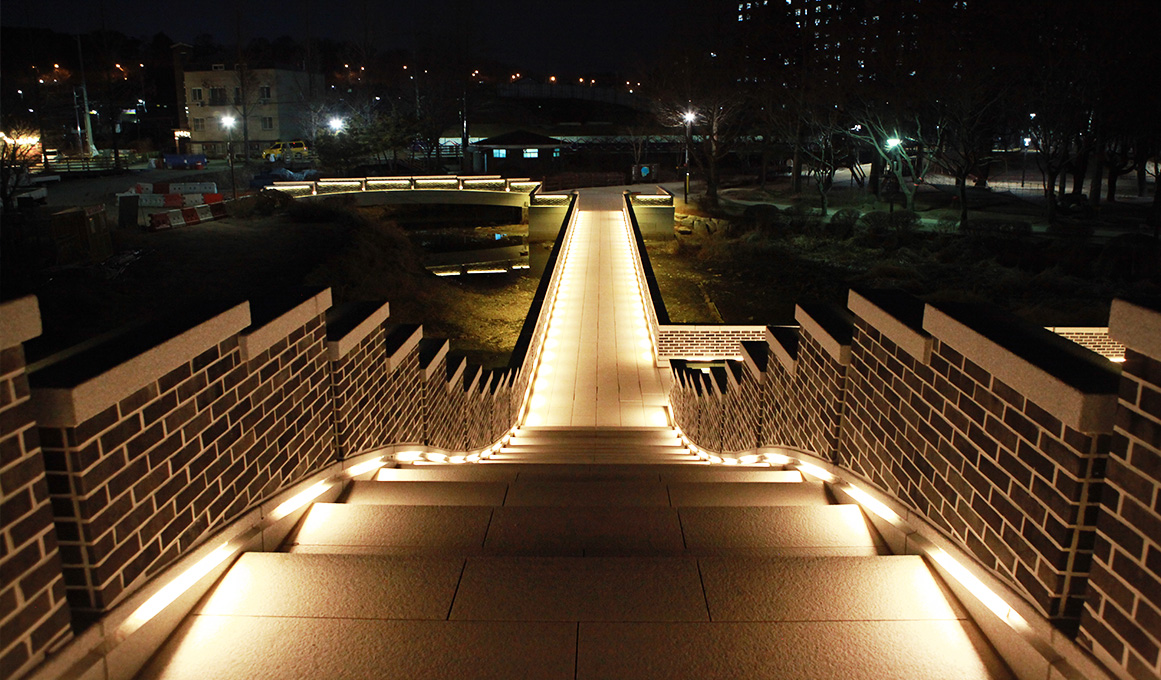
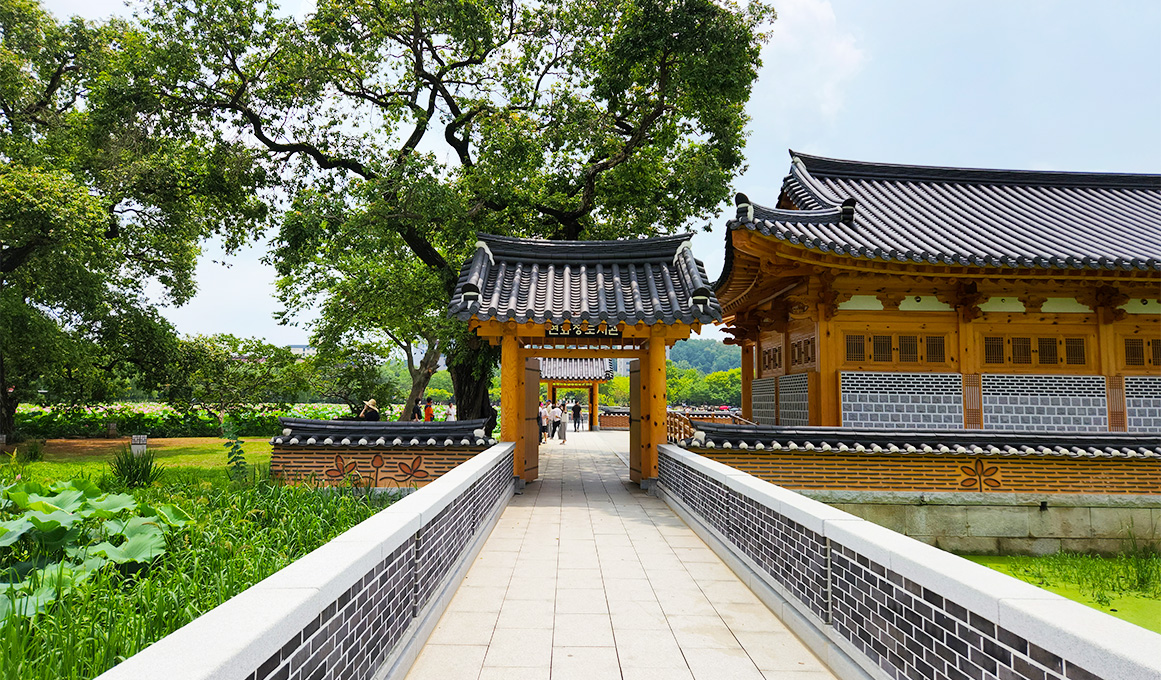
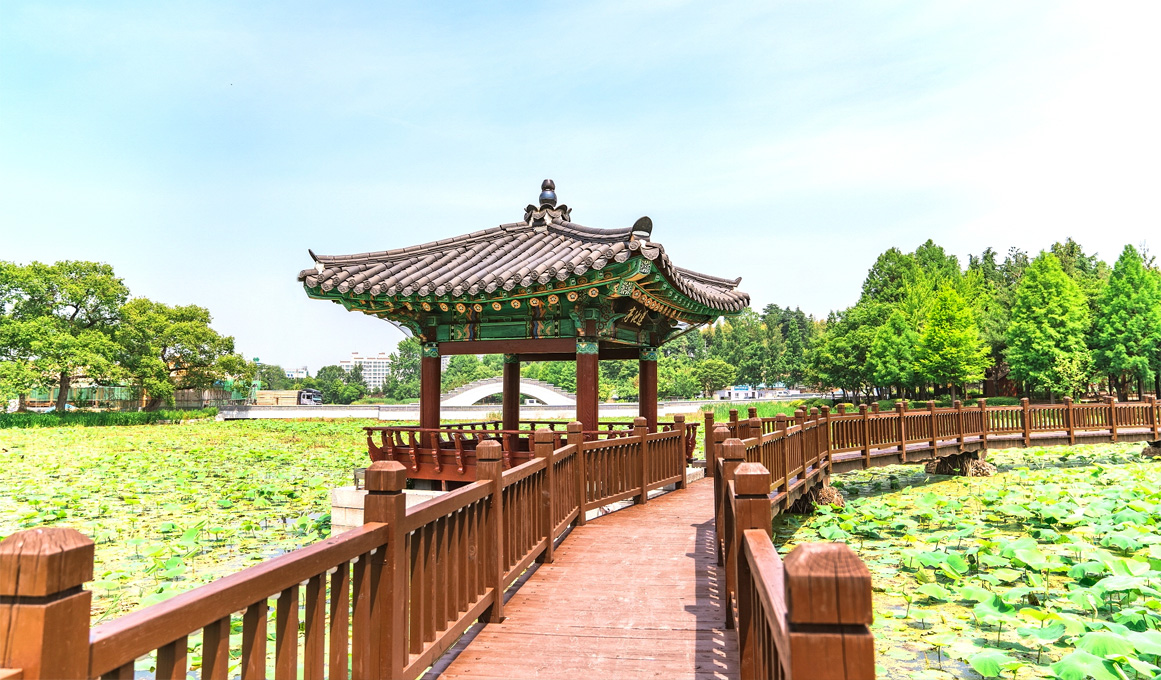
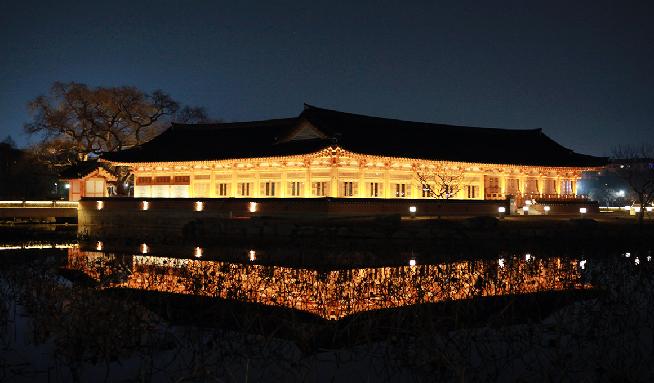
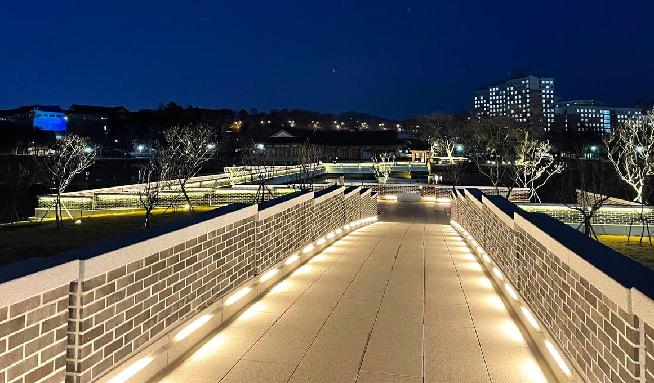
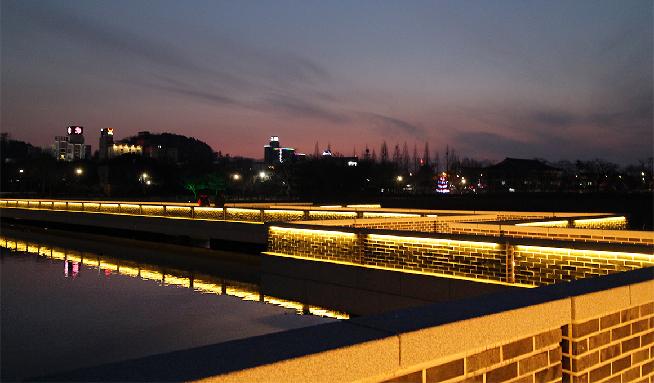
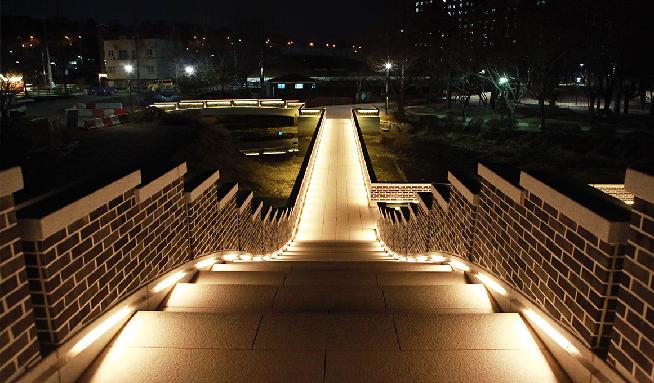
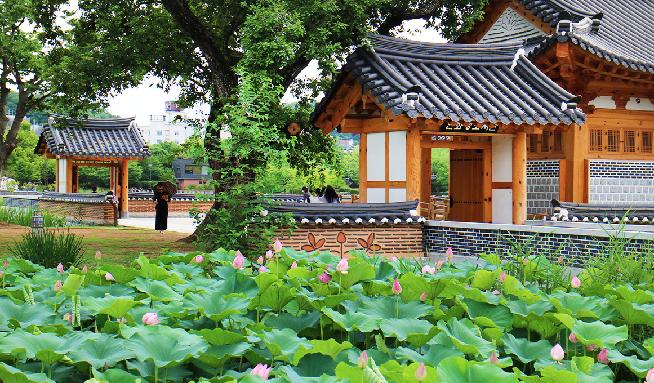
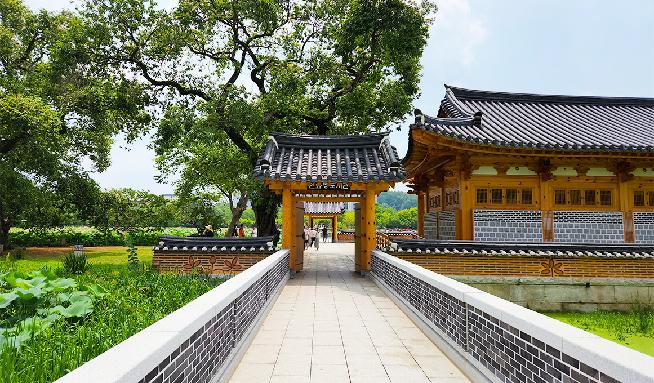
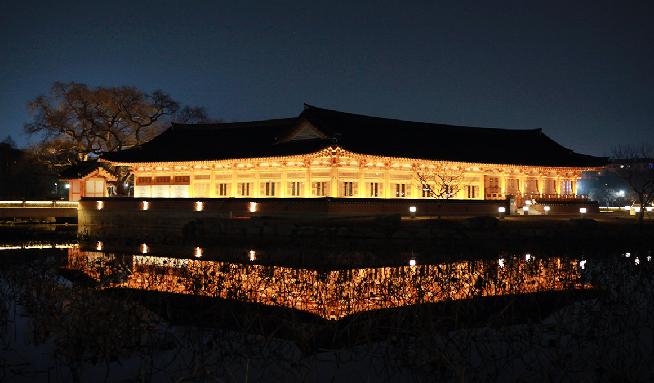
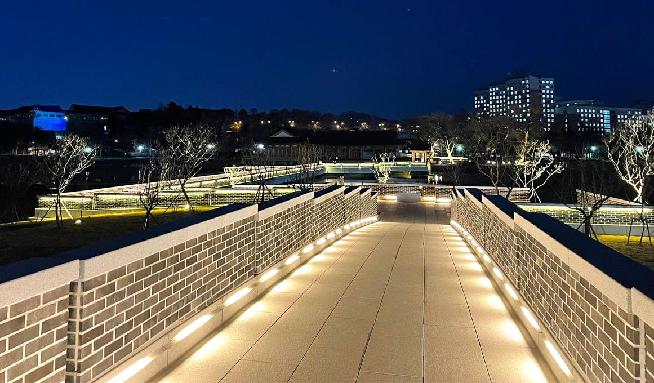
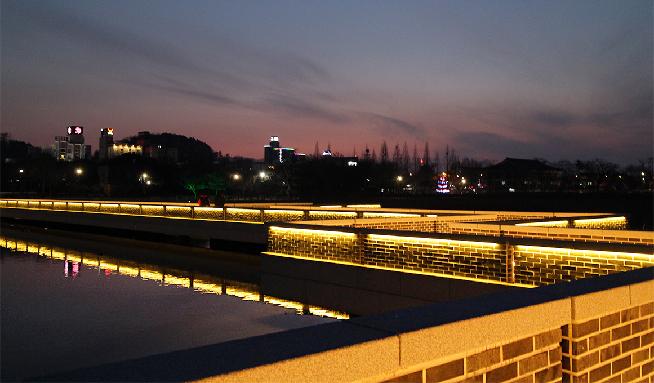
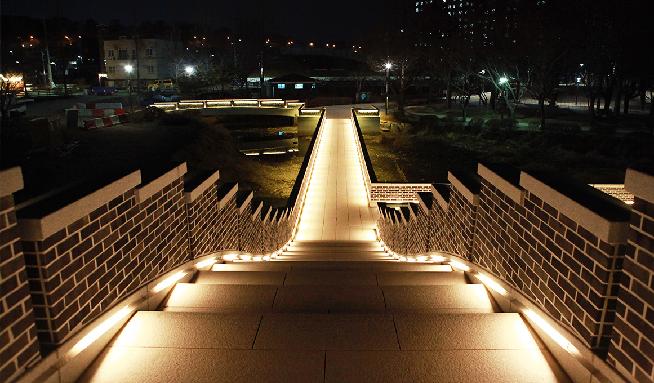
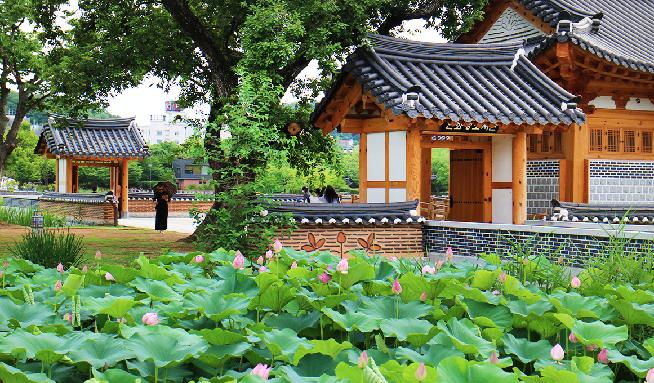
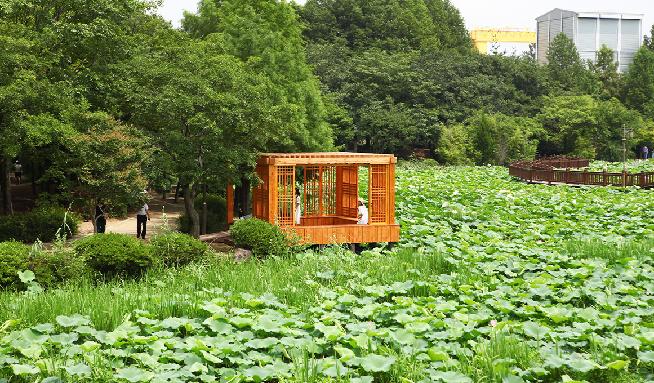
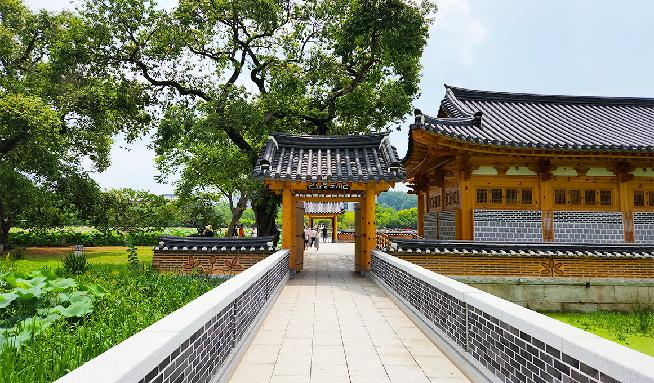
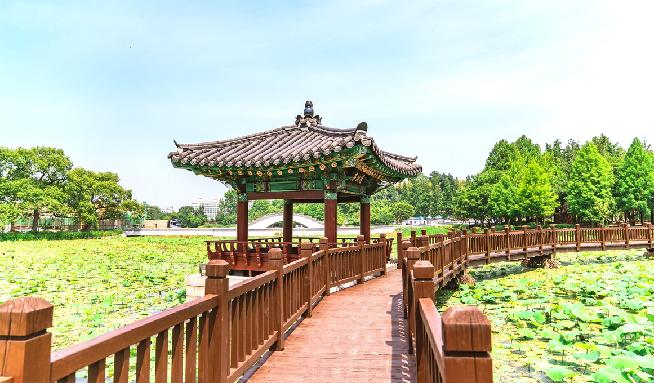
Deokjin Park has been extensively renovated from its older facilities into its current form. The Yeonhwagyo Bridge, which crosses the lotus-filled lake and connects traditional pavilions, offers a scenic view resembling a traditional East Asian painting. The former Yeonhwajeong Pavilion has been transformed into Yeonhwajeong Library, a traditional hanok-style building that embodies Jeonju’s identity and Korean aesthetics. It consists of Yeonhwadang, a reading space, and Yeonhwalu, a cultural and relaxation area. The photo zone overlooking the lake is one of the best spots to capture memorable images, with a panoramic view of lotus flowers spreading across the water. The newly renovated Yeonhwagyo Bridge and Yeonhwajeong Library area are also beautifully illuminated at night, making them a popular destination for night views.